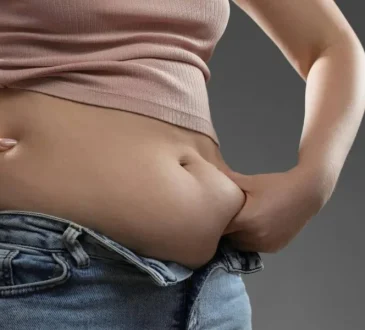
Why Skin Doesn’t Always “Bounce Back” and What You Can Do About It.
Rapid weight loss can be one of the most rewarding achievements for your health, confidence, and overall well-being. Whether through lifestyle changes or GLP-1 medications like Ozempic, many patients see dramatic improvements in a relatively short period of time. However, one of the most common concerns that follows is skin elasticity, or more specifically, the loss of it.
At The One Plastic Surgery in Newport Beach, board-certified plastic surgeon Dr. Siamak Agha frequently works with patients who are thrilled with their weight loss but frustrated by loose, sagging skin. Understanding what happens to skin elasticity after rapid weight loss is key to setting expectations and exploring the right solutions.
What Is Skin Elasticity?
Skin elasticity refers to the ability of your skin to stretch and then return to its original shape. This function is primarily controlled by two proteins:
- Collagen, which provides structure and firmness
- Elastin, which allows the skin to stretch and recoil
When these components are strong and healthy, the skin appears tight, smooth, and youthful. When they weaken, the skin becomes less resilient and more prone to sagging.
“Skin elasticity is not just about how skin looks but how it functions under stress and change.“
Why Rapid Weight Loss Affects Skin Elasticity
When the body gains weight, the skin stretches to accommodate increased volume. Over time, this stretching can weaken collagen and elastin fibers.
If weight is lost gradually, the skin has more time to adapt. However, rapid weight loss, especially with GLP-1 medications, often outpaces the skin’s ability to retract.
This can result in:
- Loose or hanging skin
- Crepey texture
- Loss of firmness in areas like the abdomen, arms, and thighs
- Reduced definition in the face, neck, and jawline
The faster the weight loss, the greater the likelihood that the skin cannot fully “snap back.”
Factors That Influence Skin Elasticity
Not all patients experience the same degree of skin laxity. Several variables determine how well your skin responds after weight loss.
Age
As we age, collagen production naturally declines. Patients over 30 may begin to notice reduced elasticity, while those over 40 are more likely to experience visible skin laxity after weight loss.
Amount of Weight Lost
The more weight lost, the more the skin has been stretched. Significant weight loss often leads to more noticeable loose skin.
Duration of Weight Gain
Skin that has been stretched for many years may have a reduced ability to contract compared to skin that expanded more recently.
Genetics
Some individuals naturally have stronger collagen and elastin structures, allowing their skin to rebound more effectively.
Lifestyle Factors
Hydration, nutrition, sun exposure, and smoking all influence skin health. Poor habits can accelerate the loss of elasticity.
Can Skin Tighten Naturally After Weight Loss?
This is one of the most common questions patients ask, and the answer depends on the individual.
Mild skin laxity may improve over time, particularly in younger patients with good skin quality. However, moderate to severe skin laxity typically does not resolve on its own.
Natural improvement may include the following:
- Slight tightening over several months
- Improved texture with proper skincare
- Enhanced appearance with muscle toning
However, excess skin that hangs or folds generally requires intervention to achieve significant improvement.
Non-Surgical Options for Improving Skin Elasticity
For patients with mild to moderate skin laxity, non-surgical treatments can help enhance skin quality and firmness.
These may include:
- Radiofrequency or ultrasound-based skin tightening
- Collagen-stimulating treatments
- Medical-grade skincare products
While these treatments can improve texture and tone, they have limitations. They cannot remove excess skin or fully restore elasticity in more advanced cases.
When Surgery Becomes the Most Effective Solution
For patients with significant skin laxity after rapid weight loss, surgical body contouring is often the most reliable way to achieve meaningful results.
Procedures may include:
- Tummy tuck to remove excess abdominal skin
- Arm lift to tighten the upper arms
- Thigh lift for lower body contouring
- Body lift for comprehensive reshaping
At The One Plastic Surgery, Dr. Siamak Agha is known for advanced body contouring techniques that address both excess skin and underlying structure, creating results that look natural and proportionate.
“Surgery is not about reversing weight loss; it is about refining the outcome to match your new body.“
The Importance of Timing
Timing is critical when addressing skin elasticity after weight loss. Acting too early, before weight has stabilized, can lead to inconsistent results.
Patients are typically advised to:
- Reach and maintain a stable weight
- Allow the body time to adjust naturally
- Evaluate skin changes over several months
This ensures that any treatment plan is based on long-term results, not temporary changes.
Emotional Impact of Skin Laxity
While often discussed as a physical concern, loose skin can also affect emotional well-being. Many patients feel a disconnect between how they feel internally and how they look externally.
It is important to recognize that this is a common experience. Addressing skin elasticity is not just about aesthetics but about helping patients fully enjoy the results of their hard work.
Final Thoughts
Rapid weight loss can transform your life, but it also presents new challenges, particularly when it comes to skin elasticity. While some changes are unavoidable, there are effective solutions available depending on the severity of skin laxity.
Understanding your options and working with an experienced, board-certified plastic surgeon is essential for achieving results that feel complete and satisfying.
Schedule a Consultation
If you are dealing with loose skin after weight loss and want to explore your options, schedule a consultation with Dr. Siamak Agha at The One Plastic Surgery in Newport Beach.
A personalized approach can help you restore firmness, improve contour, and bring your appearance in line with your health transformation.
FAQs
Does skin always sag after rapid weight loss?
Not always, but the risk increases with faster and more significant weight loss.
Can exercise tighten loose skin?
Exercise can improve muscle tone, but it cannot remove excess skin.
Are non-surgical treatments effective?
They can help with mild laxity, but more advanced cases often require surgery.
How long should I wait after weight loss before treatment?
Most patients should wait until their weight has stabilized for several months.
Is surgery the only option for severe loose skin?
Yes, surgical procedures are the most effective way to remove excess skin and restore contour.