Full Traceability, From Ocean to Powder, Defines a Reliable Tuna Collagen Supplier

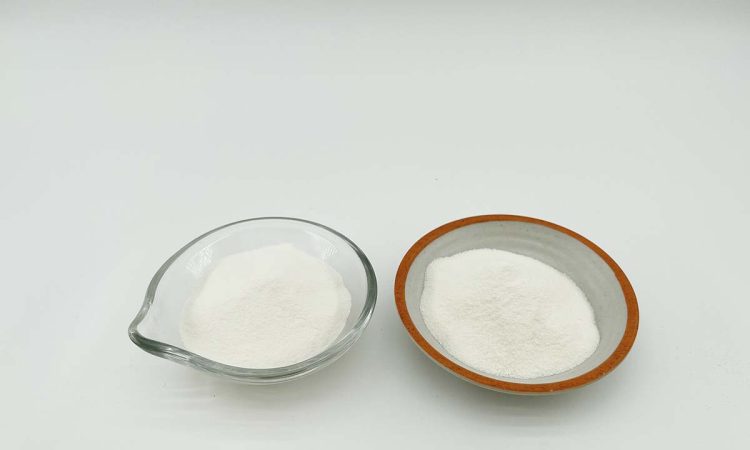
Every scoop of marine peptide carries a hidden story about where it began. Brands that skip that story often discover problems only after products reach shelves. Choosing a tuna collagen supplier with open records protects formulas from contamination and costly recalls. Buyers today expect proof of origin rather than polite promises printed on a brochure. The sections below explain what genuine tracking looks like from catch to finished blend.
Why Origin Records Matter for Brands?
Regulators across major markets now ask for documented sourcing before approving new supplements. Clear records also help marketing teams make honest sustainability claims without legal risk.
Vessel Data Starts the Paper Trail
Strong tracking begins the moment fish come aboard a licensed fishing boat. Catch area, vessel name, along with landing date, should stay attached to every batch.
A few extra details separate strong programmes from weak ones. Vertically integrated producers process skins inside their own plants instead of buying from brokers. Certifications from independent marine stewardship bodies add another layer of confidence. Batch codes printed on every bag let buyers match shipments to lab reports quickly.
Quality Checks Inside the Processing Plant
Once raw skins arrive, the plant must test them repeatedly before shipping anything. Each checkpoint creates a record that buyers can request at any time.
- Heavy metal screening confirms mercury levels stay well below legal limits.
- Microbial testing checks every lot for harmful bacteria before packing.
- Molecular weight analysis proves peptides fall within the promised absorption range.
- Certificates of analysis accompany each shipment for quick buyer verification purposes.
- Retained samples stay archived so disputes can be resolved months later.
| Tracking Stage | What Gets Recorded | Why It Matters |
| Catch | Vessel, fishing zone, date | Confirms legal sourcing |
| Landing | Weight, arrival temperature | Shows freshness was protected |
| Hydrolysis | Enzyme batch, process temperature | Ensures consistent peptide size |
| Testing | Metals, microbes, protein content | Proves safety for end users |
| Dispatch | Batch code, certificate number | Links each shipment to lab results |
A buyer should question any tuna collagen supplier unable to fill every row of this table. Gaps usually point to brokers or outsourced steps hidden somewhere in the chain.
Common Buyer Questions Answered Clearly
Procurement teams tend to raise similar concerns during early supplier discussions. The short answers below cover the points that come up most often.
- Can a trader offer the same level of tracking? Rarely, since traders depend on paperwork passed along by unseen processors.
- Do certifications replace the need for lab reports? No, certificates show standards while lab reports prove each batch meets them.
- How long should batch records be kept on file? Many reputable producers keep complete documentation for several years after dispatch.
- Does upcycling fish skin lower ingredient quality? Not when skins are processed quickly under strict temperature control.
- Should buyers audit the production site in person? Larger contracts justify an onsite visit or an independent third-party audit.
Evidence Over Claims
Sourcing decisions shape safety far more than attractive pricing ever could. A dependable tuna collagen supplier documents each step from vessel through laboratory. Request batch files, certificates, along with retained sample policies before signing any agreement. Arrange a plant visit or third-party audit whenever order volumes justify the effort. Companies following this routine avoid surprises later while earning lasting consumer trust.